

Pool Maintenance That Protects Your Weekends
A pool can look perfectly clear on Friday and still become a headache by Sunday. A clogged skimmer basket, a drifting sanitizer level, or a pump that has started making an unfamiliar sound can quickly turn family swim time into a repair project. Consistent pool maintenance prevents those small issues from becoming lost weekends, damaged equipment, or water that is not ready for guests.
For homeowners in Northern Virginia, Washington, DC, and Maryland, care also has to account for humid summers, heavy storms, falling leaves, freezing temperatures, and a pool season that can change quickly. The goal is not simply a pool that looks clean. It is water that is safe, equipment that works as it should, and a system that is prepared for the weather ahead.
What Reliable Pool Maintenance Covers
Good pool care is a combination of cleaning, water chemistry, and equipment oversight. Each part supports the others. Vacuuming debris helps circulation work efficiently. Proper circulation helps chemicals distribute evenly. Balanced water protects swimmers as well as the pool surface, filter, heater, and plumbing.
A regular service visit typically includes skimming the surface, emptying skimmer and pump baskets, brushing walls and steps, and vacuuming the pool as needed. These routine tasks matter because organic debris consumes sanitizer, stains surfaces, and places extra strain on the circulation system. After a windy day or summer storm, a pool may need additional attention even if it was recently cleaned.
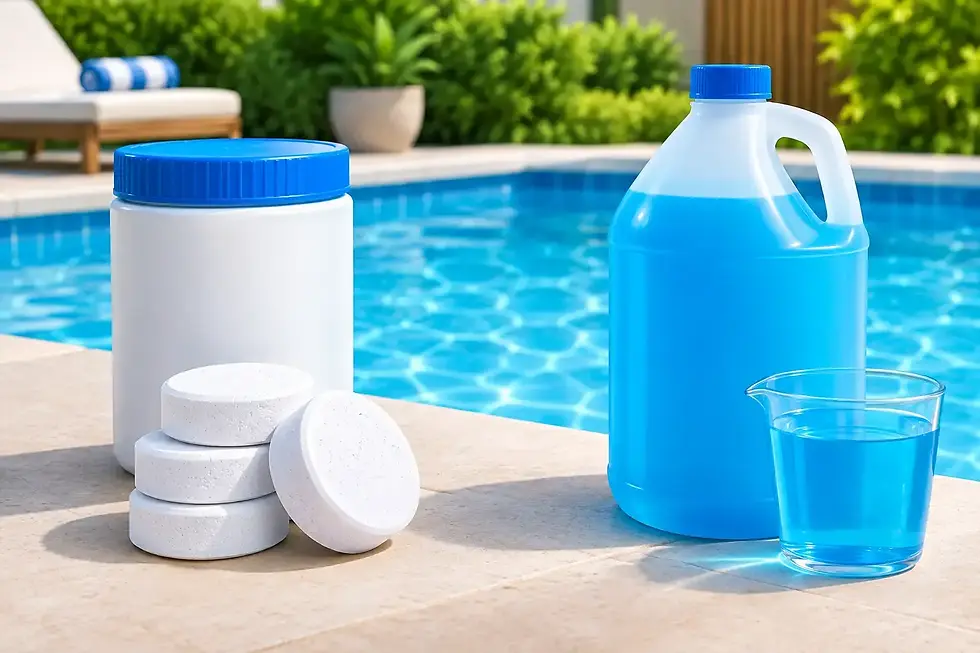
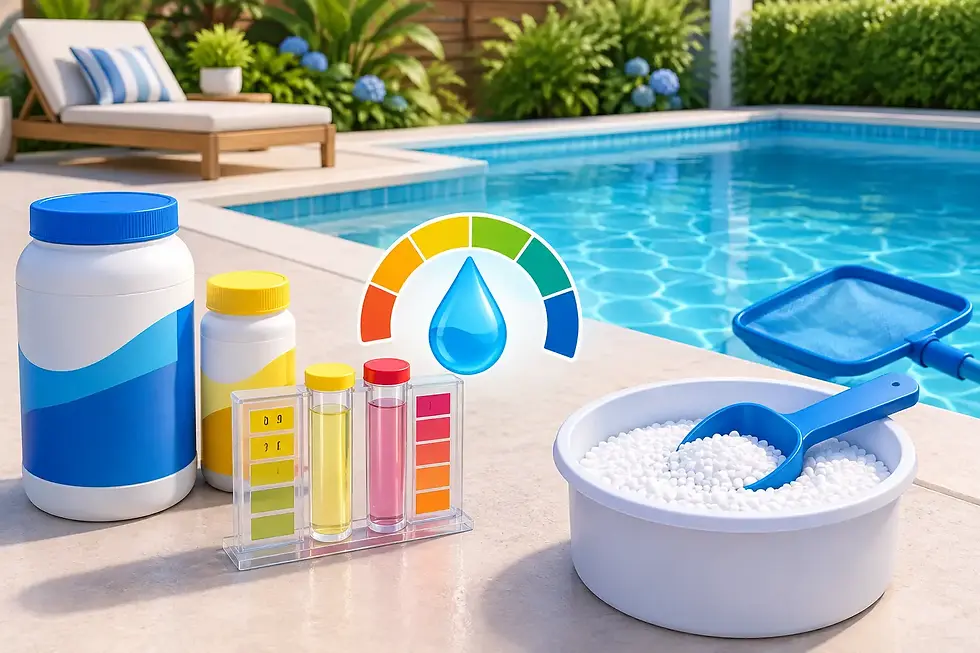
Water testing is equally important. Chlorine or another approved sanitizer must be maintained at an effective level, while pH, alkalinity, calcium hardness, and stabilizer need to remain within appropriate ranges. Water can be clear and still be chemically unbalanced. That is why appearance alone is never a dependable test of pool health.
Why chemistry should not be guessed
Adding chemicals without testing can create a new problem while trying to solve an old one. Low sanitizer can allow algae and bacteria to gain a foothold. High sanitizer may irritate skin and eyes or damage pool components. A pH level that is too low can contribute to corrosion, while high pH can lead to cloudy water and scale buildup.
The right adjustment depends on the pool's size, current test results, recent weather, swimmer load, and type of sanitizer system. A busy weekend with children and guests puts different demands on the water than a quiet week. Rain can dilute chemicals and introduce contaminants. Heat and sunlight can reduce sanitizer more quickly. Consistent testing gives each treatment a purpose instead of turning pool care into trial and error.
Equipment Checks Protect Your Investment
Your pool equipment does much of the work that keeps water clean, but it needs regular inspection. The pump moves water through the system. The filter captures fine debris. Heaters extend comfortable swim time, and automated controls can keep schedules on track. When one part begins to struggle, the effects can spread across the entire system.
During routine pool maintenance, technicians should look for leaks, pressure changes, air in the pump basket, worn seals, unusual noises, and signs that circulation is weak. Filter pressure deserves attention because a pressure reading that rises beyond the normal operating range can indicate that cleaning is needed. Ignoring it can reduce water flow and make the pump work harder than necessary.
A filter should be cleaned according to its type and actual condition, not simply because a calendar date has arrived. Cartridge filters, sand filters, and DE filters have different service needs. Cleaning too infrequently allows debris to restrict flow. Cleaning too aggressively or incorrectly can reduce filtration performance or damage components. This is one area where professional judgment can save time and prevent an avoidable replacement.
Heaters also benefit from preventive care, especially when a homeowner wants the pool ready for an early spring gathering or a cool fall evening. A heater that fails to ignite, shuts off unexpectedly, or displays an error code may have an electrical, plumbing, ignition, or flow-related issue. Prompt service is safer and usually less disruptive than waiting until the first planned swim day.
A Seasonal Plan Works Better Than Catch-Up Care
Pools in the Mid-Atlantic need different attention as the year changes. A simple weekly routine may be enough during a stable stretch of summer weather, but spring opening and winter closing require a more detailed process. Skipping these steps can leave a homeowner dealing with algae, freeze damage, or a delayed opening when warm weather returns.
Spring opening
A proper opening begins with removing and inspecting the cover, reconnecting equipment, restoring water to the correct level, and starting the circulation system. The pool should then be cleaned, tested, and balanced before regular use. Filters, pumps, heaters, lights, and returns should be checked as the system comes online.
Opening early is not always the best choice. It depends on weather, the condition of the water under the cover, and how soon the pool will be used. However, waiting until temperatures are consistently hot can give algae a head start. Scheduling ahead helps ensure the pool is ready on your timetable instead of competing with peak-season demand.
Summer service
Summer is when frequent attention pays off most. Pollen, grass clippings, sunscreen, thunderstorms, and heavier swimmer loads can change water conditions quickly. Weekly service is often the right fit for families who use their pool regularly and want dependable, hands-off care. Monthly service may work for some lower-use pools, but it generally requires the homeowner to handle more between visits.
There is no single plan that fits every property. A shaded pool collects different debris than an open pool. Mature trees can mean more skimming and filter cleaning. Saltwater pools still require testing, balancing, and equipment oversight. The best maintenance schedule reflects how the pool is used and what the surrounding environment demands.
Winterization and closing
A pool closing is more than placing a cover over the water. In a region where freezing temperatures are common, water must be removed from vulnerable plumbing lines, equipment must be protected, and the water should be treated for the off-season. Return lines are blown out, fittings are secured, and the cover is installed to protect the pool from debris and winter weather.
Incomplete winterization can lead to cracked pipes, damaged pumps, and expensive spring repairs. Homeowners should also make sure the cover is monitored during the off-season. Heavy debris, standing water, or a damaged cover can create problems long before opening day.
When to Call for Pool Repair
Routine care catches many concerns early, but some issues call for repair rather than another chemical adjustment. A sudden drop in water level, persistent cloudiness despite balanced chemistry, weak return flow, a noisy pump, or a breaker that trips should not be ignored. These can point to leaks, circulation restrictions, electrical problems, or failing equipment.
A green pool is also not always a simple cleaning issue. It may result from poor circulation, a clogged filter, an undersized or failing pump, or chemistry that has been out of range for too long. Treating only the visible symptom may bring temporary improvement, but the underlying cause can remain.
Tortuga Pool Services approaches maintenance with repair capability in mind, so water quality and equipment performance are considered together. That matters because a technician who notices early wear on a valve, heater, pump, or plumbing connection can help address the problem before it interrupts the season.
Give Your Pool a Routine You Can Rely On
Owning a pool should mean more time relaxing with family and less time chasing test results or troubleshooting equipment. Keep an eye on water level and visible debris between service visits, report changes in how the system sounds or circulates, and schedule seasonal work before the weather turns.
A dependable maintenance plan gives your pool the attention it needs before a small concern becomes a costly interruption. Then, when the next warm afternoon arrives, you can spend it where you intended to be: in the water, not in the equipment pad.

Comments