
Chlorine Tablets Versus Liquid Chlorine for Pools
A pool can look clear and still be headed toward a water-balance problem. That is why the choice between chlorine tablets versus liquid chlorine matters more than convenience alone. Both sanitize your pool, but they affect stabilizer, pH, calcium, and day-to-day maintenance in very different ways. For homeowners in Northern Virginia, Washington, DC, and Maryland, the right choice often depends on how the pool is used, the season, and what the water test results are telling you.
Chlorine Tablets Versus Liquid Chlorine: The Core Difference
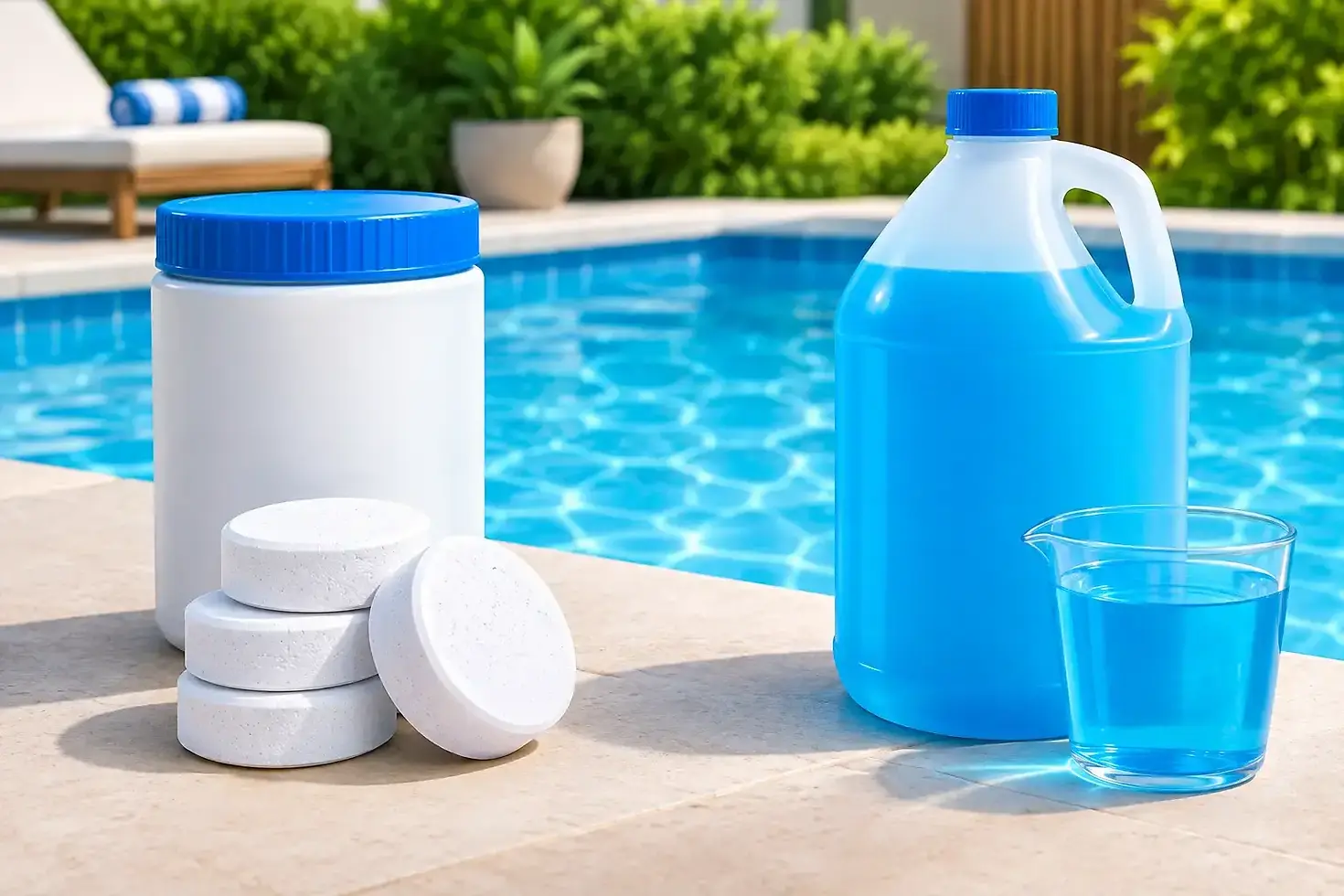
Chlorine tablets are usually trichlor tablets, a slow-dissolving, stabilized form of chlorine. They are typically placed in a feeder, floater, or skimmer system and release chlorine gradually over several days. Because they contain cyanuric acid, often called stabilizer, they help protect chlorine from being burned off by sunlight.
Liquid chlorine is sodium hypochlorite. It adds chlorine quickly and does not add cyanuric acid or calcium. It is commonly poured directly into the pool with the circulation system running, or metered through an automated liquid-chlorine feeder.
The biggest practical distinction is this: tablets add chlorine and stabilizer every time they dissolve, while liquid chlorine adds chlorine without steadily changing stabilizer levels. Neither product is automatically better. The right product is the one that keeps your water balanced without creating another problem to correct later.
Why Tablets Are Convenient, but Need Monitoring
For many residential pool owners, tablets offer an easy way to maintain a steady chlorine residual. Fill a properly adjusted feeder, let the system circulate, and the pool receives a consistent dose over time. That convenience is especially appealing during busy summer weeks, travel, or periods when the pool is getting regular family use.
Tablets also have a naturally low pH, which can be useful in pools that tend to drift high. In the Mid-Atlantic, hot weather, splashing, water features, and aeration can all push pH upward. A tablet-fed pool may require less frequent acid adjustment than one using liquid chlorine.
The trade-off is cyanuric acid buildup. Stabilizer is necessary in outdoor pools because it helps chlorine survive direct sun. But it should not rise without a plan. As cyanuric acid gets too high, chlorine becomes less effective at sanitizing the water. A pool may show an acceptable chlorine reading and still struggle with cloudy water or algae because the active chlorine level is too low for the amount of stabilizer present.
Eventually, excess stabilizer is usually corrected by partially draining and refilling the pool with fresh water. That is an inconvenience no homeowner wants in the middle of swimming season. Tablets can be an excellent tool, but they should be used with routine water testing rather than treated as a set-it-and-forget-it solution.
Avoid Direct Contact With Pool Surfaces
Tablets are highly concentrated and acidic. They should never be tossed directly into a vinyl-lined pool or left sitting on a step, shelf, or plaster surface. Direct contact can bleach liners, stain finishes, and damage pool components.
Using tablets in the skimmer is also not appropriate for every system. When the pump shuts off, highly chlorinated water can remain in the plumbing and move through equipment when circulation resumes. A dedicated feeder or properly selected floating dispenser is generally the safer approach, but the right setup depends on your equipment and pool design.
When Liquid Chlorine Makes More Sense
Liquid chlorine is the more flexible choice when cyanuric acid is already where it needs to be. Since it does not add stabilizer, it allows a service technician or homeowner to raise and maintain chlorine without pushing the stabilizer level higher each week.
It is also a practical choice for opening a pool, recovering from algae, handling heavy swimmer loads, or restoring chlorine after storms and intense heat. Those situations often call for a measured chlorine increase now, not a slow release over several days. Liquid chlorine provides that immediate control.
Unlike tablets, liquid chlorine has a high pH. Regular use may gradually increase pH, so acid additions are often needed to keep water in range. This is manageable when chemistry is tested and adjusted consistently. It becomes a problem only when dosing is done by guesswork.
Liquid chlorine also has a shorter useful shelf life than tablets. Heat and time reduce its strength, which matters in a garage, shed, or pool house during a Virginia summer. Buying more than you can reasonably use can lead to weak product and unpredictable results. Fresh liquid chlorine, stored upright in a cool and ventilated area away from other chemicals, delivers more dependable dosing.
Water Balance Should Make the Decision
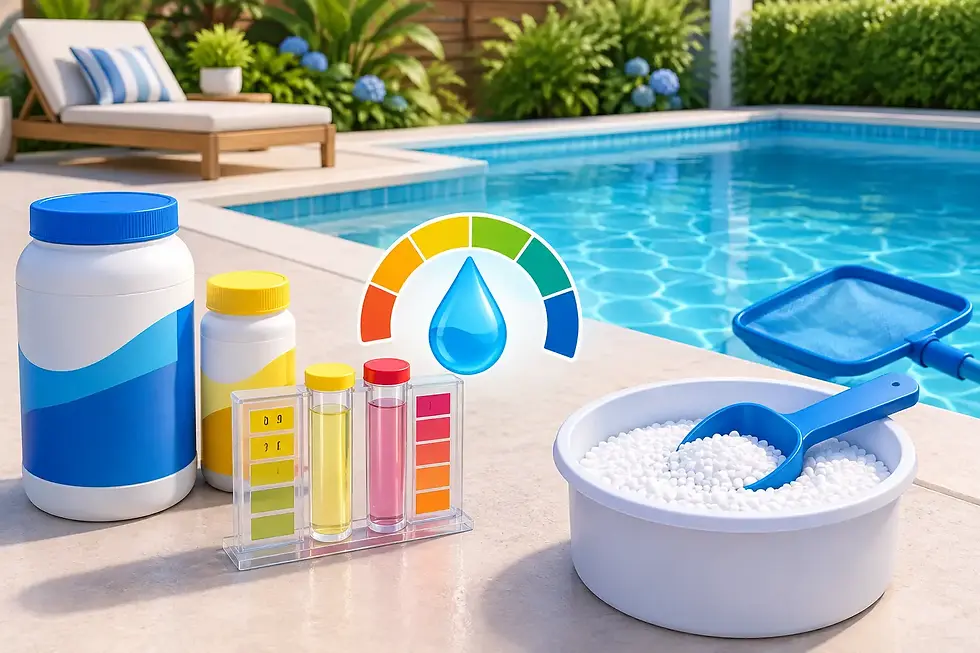
The best chlorine program starts with a complete water test, not with the product sitting nearest the equipment pad. Free chlorine, combined chlorine, pH, total alkalinity, calcium hardness, and cyanuric acid all work together.
For example, a pool with low stabilizer in early summer may benefit from controlled tablet use. A pool with elevated cyanuric acid should generally move away from stabilized chlorine and use liquid chlorine until the level is corrected. If pH repeatedly runs high, tablets may reduce the amount of acid needed. If pH is already low, liquid chlorine may be the better fit.
This is also why many well-maintained pools use both products at different times. Tablets can help establish or maintain stabilizer early in the season, while liquid chlorine handles weekly adjustments, hot-weather demand, or periods when stabilizer should not increase. The goal is not loyalty to one product. The goal is clean, safe water that remains in balance.
Cost Is More Than the Price on the Label
Tablets can appear economical because they dissolve slowly and reduce the frequency of hands-on dosing. Liquid chlorine may appear less convenient because it requires more regular additions. But the real cost includes the downstream effects on water chemistry.
If tablet use drives stabilizer too high, the expense and water loss associated with draining and refilling can outweigh the initial convenience. If liquid chlorine is used without pH testing, frequent acid corrections can add cost and maintenance time. Storage, handling, pool size, sun exposure, bather load, and the condition of your circulation system all affect the most efficient approach.
For a busy household, the most valuable option may be the one supported by consistent professional testing and adjustment. Tortuga Pool Services helps homeowners protect their investment by pairing chemical care with equipment inspection, so a chlorine issue is not mistaken for a circulation, filtration, or heating problem.
Safe Handling Matters With Every Chlorine Product
Chlorine products should always be handled carefully. Never mix chemicals together, never add water to chemicals, and never store liquid chlorine beside acid, fertilizers, fuel, or other household products. Keep all pool chemicals in their original labeled containers, secure them from children and pets, and store them in a dry, well-ventilated space.
Do not combine tablet fragments with other chlorine products, even if both are labeled for pools. Different chlorines can react dangerously when mixed. Use clean, dry equipment for each chemical, follow the product label, and keep the pump running when adding liquid chlorine so it disperses through the pool.
A Practical Plan for a Healthier Pool
A reliable chlorine routine is built around testing, not habit. Check chlorine and pH regularly during swim season, test cyanuric acid often enough to catch a rising trend, and adjust your sanitizer choice as the numbers change. Also make sure circulation, filtration, and cleaning are doing their part. Chlorine cannot compensate for a clogged filter, poor water flow, or debris sitting in the pool.
Your pool should be ready when your family is ready to use it. With the right balance between tablets, liquid chlorine, and regular professional care, you can spend less time managing chemical side effects and more time enjoying clear water.

Comments