

Pool Shocking: When Your Water Needs More
A pool can look clear and still need attention. After a busy weekend, a thunderstorm, an algae flare-up, or a stretch of extreme heat, ordinary sanitizer levels may not be enough to keep the water clean and comfortable. Pool shocking is the process of adding a higher dose of sanitizer or oxidizer to break down contaminants and restore proper water quality.
For homeowners in Northern Virginia, Washington, DC, and Maryland, the right timing matters as much as the product. Shocking too little may not solve the problem. Shocking too often, using the wrong product, or swimming too soon can create avoidable headaches for swimmers, surfaces, and equipment. A thoughtful approach protects your investment and helps keep the pool ready for family time.
What Pool Shocking Actually Does
Every swimmer brings organic material into the water - sunscreen, body oils, sweat, cosmetics, and small amounts of debris. Rainwater, leaves, pollen, and lawn runoff add more. Chlorine works to sanitize the pool, but as it reacts with contaminants, part of it becomes less effective at killing bacteria and controlling algae.
Pool shocking raises the sanitizer level high enough to oxidize that buildup. Depending on the product used, it can also help destroy algae and reduce chloramines, the compounds often associated with a sharp chlorine odor and swimmer irritation. That smell does not usually mean there is too much chlorine. It can mean the active chlorine is being used up and the water needs correction.
Shock is not a substitute for regular circulation, filter cleaning, brushing, vacuuming, or balanced water chemistry. It works best as part of complete pool care. If a clogged filter, failing pump, low water level, or poor circulation is behind the issue, adding chemicals alone will not provide a lasting solution.
Signs Your Pool May Need Shocking
A set weekly schedule works for some pools, particularly during heavy swim season, but water conditions should lead the decision. Test results and visual changes tell a more accurate story than the calendar alone.
Your pool may need shocking if you notice:
Cloudy water that does not clear after normal filtration
A strong chlorine odor or swimmers reporting eye and skin irritation
Green, yellow, or black algae beginning on walls, steps, or corners
Heavy bather use, a pool party, storm debris, or an animal contamination incident
Low free chlorine, rising combined chlorine, or difficulty holding a chlorine reading
After a major rainstorm, pools in the Mid-Atlantic can collect pollen, soil, leaves, and diluted chemicals quickly. Testing the water soon afterward is a better practice than assuming the existing treatment is still sufficient.
Choosing the Right Type of Shock
Not every shock product works the same way. The best choice depends on your pool's sanitizer system, cyanuric acid level, water temperature, and current chemistry.
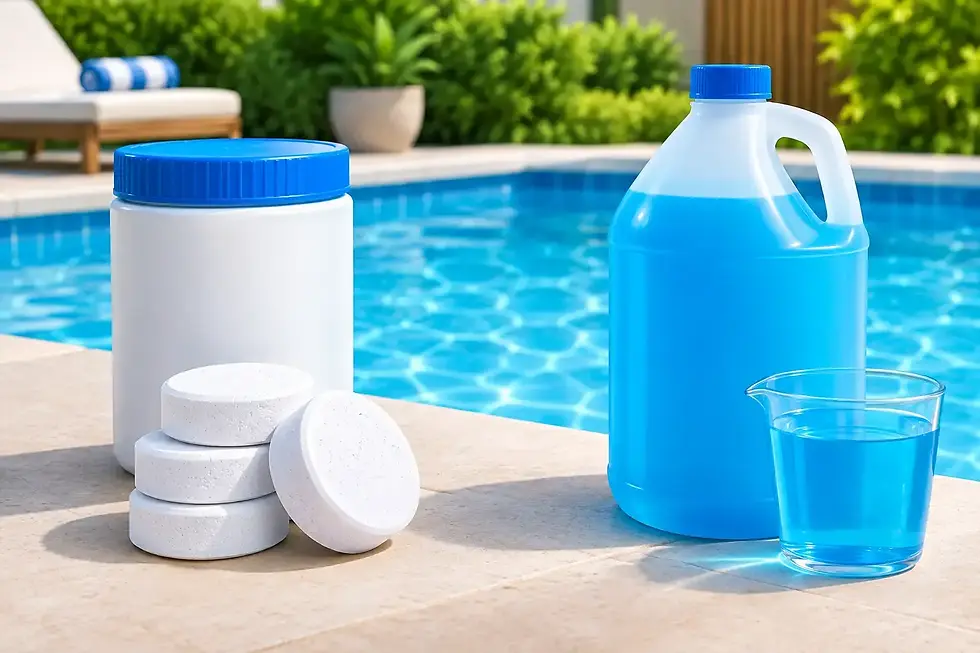
Calcium hypochlorite, often called cal-hypo, is a powerful chlorine shock that works well when a pool needs a strong treatment. It adds calcium to the water, however, which matters in areas with naturally hard water or pools that already have elevated calcium hardness. It should be handled carefully and never mixed with other chemicals.
Dichlor shock adds chlorine and cyanuric acid, also called stabilizer. It can be useful in certain situations, but repeated use can push stabilizer too high. When cyanuric acid is excessive, chlorine becomes less effective and algae can become harder to control.
Liquid chlorine is a practical option for many chlorine pools because it does not add calcium or stabilizer. Its strength can decline over time, especially if it has been stored in heat or direct sunlight, so fresh product and correct dosing are important.
Non-chlorine shock oxidizes swimmer waste and can help refresh water between chlorine treatments. It is not a reliable answer for active algae, major contamination, or a pool that has lost its sanitizer residual. It also may affect certain test readings for a short period after application.
The product label provides dosing instructions, but the label is only the starting point. Pool volume must be accurate, and the dose should match current test results. Guessing at volume is one reason many homeowners either under-treat a problem or use more chemicals than necessary.
How to Shock a Pool Safely
The safest time to shock is usually in the evening, after swimmers are out of the water. Sunlight burns off chlorine, so treating after direct sun has passed gives the sanitizer more time to work. Run the pump during and after treatment to circulate the product through the pool.
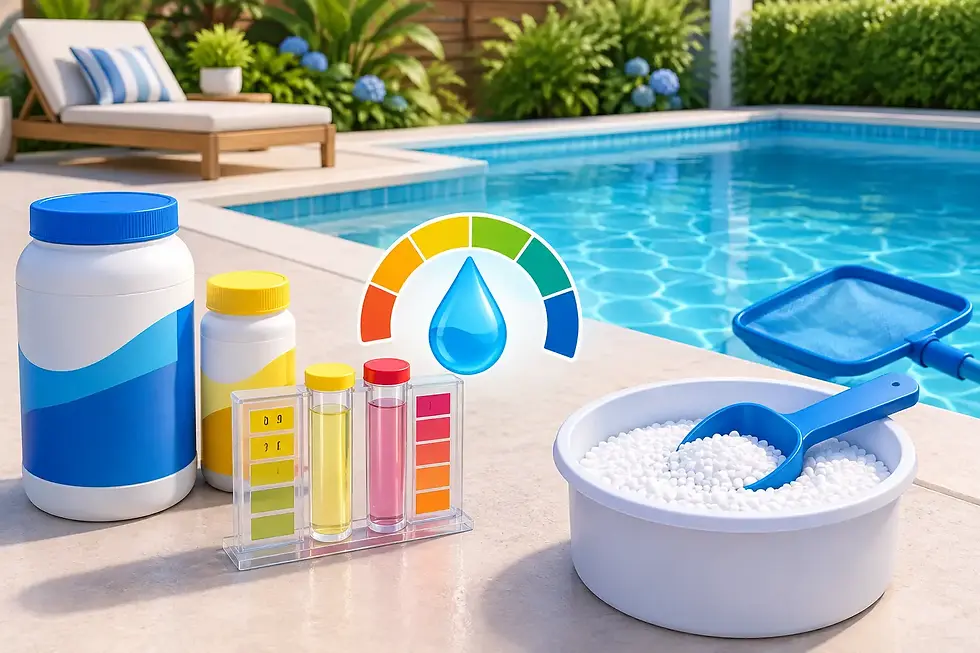
Start by testing free chlorine, combined chlorine, pH, alkalinity, and cyanuric acid. If pH is significantly high, chlorine will work less efficiently. Bringing pH into its proper range before shocking often produces better results and prevents wasted product.
Read the product instructions before opening the container. Wear appropriate eye protection and gloves, keep chemicals dry, and store them away from children, pets, heat, and moisture. Never combine pool chemicals, never add water to chemicals, and never use the same scoop for different products. For products that require pre-dissolving, follow the label precisely and add chemicals to water, not water to chemicals.
Brush the walls, steps, and floor before or shortly after treatment, especially if algae is present. Brushing removes the protective layer algae can form on surfaces and exposes it to the sanitizer. Continue running the circulation system, and clean or backwash the filter as needed. A filter that is loaded with dead algae and debris can slow the recovery process.
Do not reopen the pool simply because the water looks better. Test it. Swimmers should wait until free chlorine has returned to the safe operating range listed for your pool and the water is clear enough to see the main drain or deepest point. If the pool has been treated for a contamination event, follow the appropriate health guidance for that situation rather than relying on a routine shock schedule.
When Shocking Is Not the Full Answer
If algae returns soon after treatment, chlorine disappears overnight, or cloudiness persists despite correct chemical adjustments, there may be a larger issue. Poor circulation, a worn filter cartridge, damaged filter grids, a leaking multiport valve, an undersized pump, or an inaccurate test kit can all affect water quality.
Saltwater pools need attention here as well. A salt chlorine generator produces chlorine, but it may not keep up with heavy bather loads, algae, warm water, or a high-demand cleanup. Shocking may still be necessary, and the cell, flow switch, and operating schedule should be checked if sanitizer levels repeatedly fall behind.
Persistent water problems are also a reason to review stabilizer, phosphates, calcium hardness, and total dissolved solids. Not every test result requires an immediate chemical treatment, but each result helps explain why the pool is behaving the way it is. A technician can identify whether the issue is chemical, mechanical, or both before unnecessary products are added.
Protecting Your Pool After Treatment
Once the water has recovered, regular maintenance helps extend the results. Keep the pump running long enough for your pool and season, empty skimmer and pump baskets, brush surfaces, remove debris promptly, and maintain the filter according to its design. Test chlorine and pH consistently, with more frequent checks during hot weather and periods of heavy use.
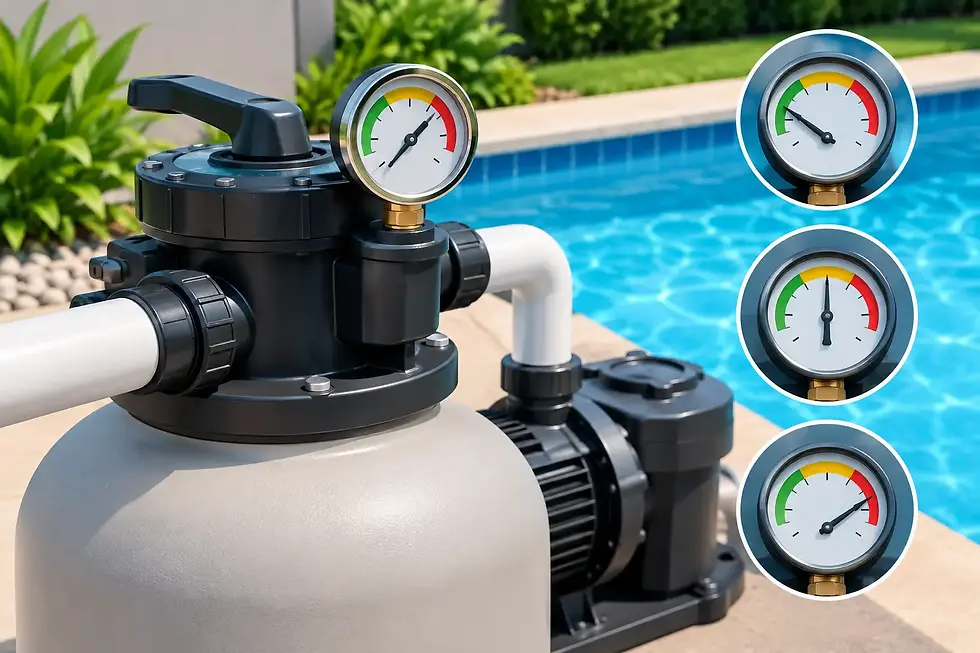
A dependable maintenance plan also catches the less obvious issues: weak circulation at a return line, a pressure change across the filter, a heater error, or early signs of a plumbing leak. These are the details that can turn a simple water-quality adjustment into a larger repair if they are left unattended.
Pool ownership should leave room for weekends by the water, not weekends spent guessing at chemical readings. When the water does not respond as expected, Tortuga Pool Services can help determine what your pool needs and keep it safe, clean, and ready for the people who enjoy it.
Comments