

Saltwater Versus Chlorine Pools Compared
A pool can look crystal clear with either system, but the experience of owning it can feel very different. When homeowners compare saltwater versus chlorine pools, the real question is not whether one uses chemicals and the other does not. Both rely on chlorine to sanitize the water. The difference is how that chlorine is delivered, what equipment is involved, and how much hands-on attention the system needs over time.
For pool owners in Northern Virginia, Washington, DC, and Maryland, the right choice also has to work through humid summers, heavy rain, falling leaves, winter closings, and spring openings. A system that sounds simple on paper still needs consistent water testing, circulation, cleaning, and equipment care to keep the pool safe and ready for family time.
Saltwater Versus Chlorine Pools: The Core Difference
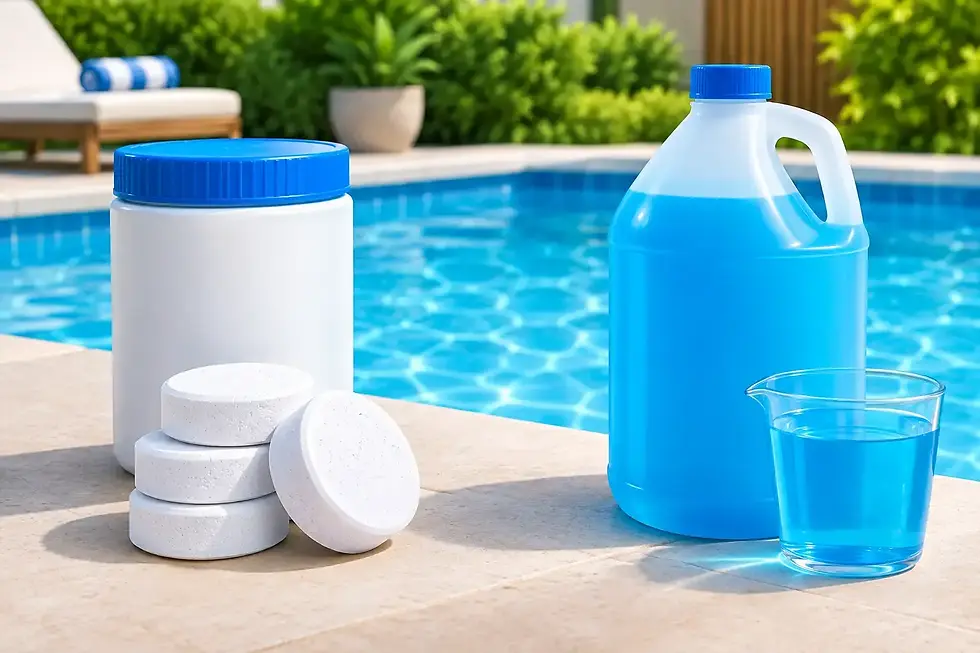
A traditional chlorine pool is treated with chlorine products, usually liquid chlorine, tablets, or granular shock. The chlorine level is adjusted manually as water conditions change. Sunlight, swimmer use, storms, debris, and high temperatures can all increase chlorine demand, so regular testing and adjustment matter.
A saltwater pool uses a salt chlorine generator, often called a salt cell. Pool-grade salt is dissolved in the water, and the generator converts that salt into chlorine as water passes through the cell. The chlorine sanitizes the water, then returns to salt through the normal chemical cycle. The salt does not disappear quickly, but it can be diluted by splash-out, leaks, backwashing, or heavy rain.
In practical terms, saltwater is a different chlorine delivery method, not a chlorine-free alternative. That distinction helps homeowners set realistic expectations. Saltwater systems can provide steadier daily chlorination, while traditional systems offer direct control without relying on a salt cell and control unit.
Water Feel and Swimmer Comfort
Many homeowners choose saltwater because the water often feels softer and less harsh on skin and eyes. That sensation comes from stable chlorine production and the presence of dissolved salt, not from the absence of sanitizer. A properly balanced traditional chlorine pool can also feel comfortable, but fluctuations in chlorine, pH, or combined chloramines are more likely when testing and dosing are inconsistent.
The familiar “chlorine smell” is another point of confusion. A strong odor is usually not a sign of a clean pool. It often indicates chloramines, which form when chlorine combines with contaminants such as sweat, sunscreen, and organic debris. Whether a pool is saltwater or traditionally chlorinated, good circulation, correct chemical balance, and periodic shocking are what keep water fresh and comfortable.
For families who use the pool frequently, a saltwater system may create a more consistently pleasant swimming experience. Still, comfort depends on proper maintenance. Low pH, high calcium, poor filtration, or inadequate chlorine can make any pool unpleasant to use.
Upfront Cost and Long-Term Expenses
Traditional chlorine pools generally cost less to install or convert because they do not require a salt chlorine generator. Homeowners purchase chlorine products as needed, along with routine balancing chemicals. This can be an attractive choice for a newer pool owner or for someone who wants fewer pieces of equipment to maintain.
A saltwater system costs more upfront. The salt cell, control panel, installation, and initial salt addition add to the investment. Over time, the system can reduce how often you need to buy and manually add chlorine. That convenience can be valuable, especially during the busy swim season, but it does not eliminate chemical costs altogether. Saltwater pools still need pH adjustment, alkalinity management, calcium control, stabilizer, shock treatments when conditions call for them, and occasional salt replenishment.
The salt cell is also a wear item. Its lifespan varies based on water chemistry, operating hours, cleaning practices, and local conditions. A cell eventually needs replacement, and replacement costs should be part of the ownership calculation. If a pool has high calcium hardness or is allowed to run with poor balance, scale can shorten the cell’s useful life.
The best financial choice depends on how long you plan to own the pool, how often it is used, and whether you prefer lower startup costs or more automated chlorine production.
Maintenance: Less Work Does Not Mean No Work
Saltwater systems are sometimes sold as maintenance-free, but that is not accurate. They can reduce the frequency of manual chlorine additions, yet they still need professional-level attention to water chemistry and equipment health.
A salt cell must be inspected for scale buildup and cleaned only when needed. Overcleaning with acid can damage the cell coating, while ignoring scale can reduce chlorine production. The generator output should be adjusted to match bather load, water temperature, and the season. As water cools in fall or warms quickly in spring, a system that was correctly set in July may no longer be producing the right amount of chlorine.
Traditional chlorine pools require more routine handling of sanitizer products, but the equipment setup is simpler. A homeowner or pool technician tests the water, adds the required product, and monitors results. There is no salt cell to inspect or replace. For owners who prefer direct control or already have a reliable maintenance routine, that simplicity can be a meaningful advantage.
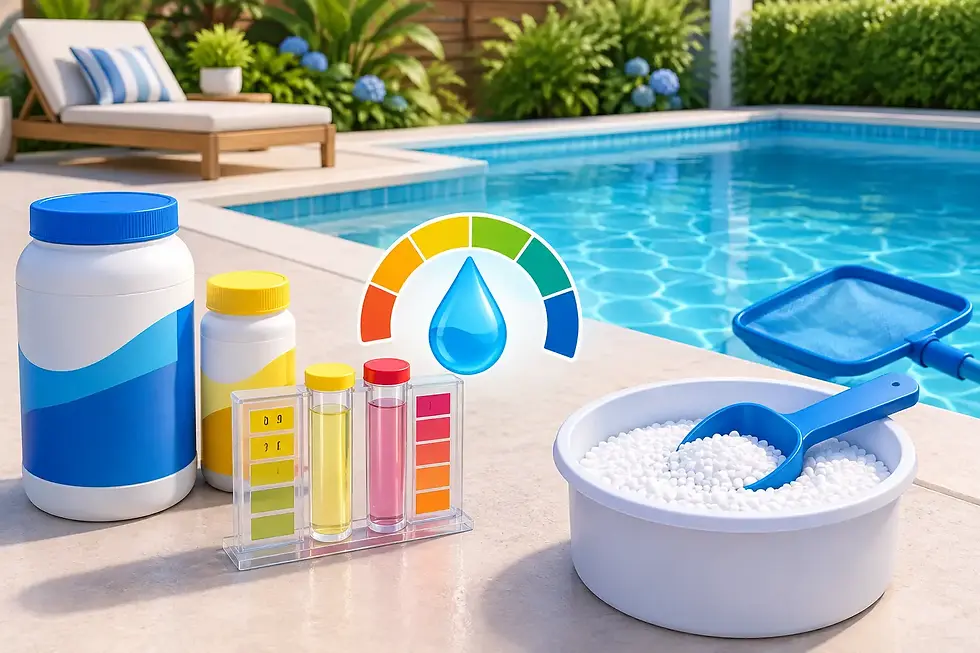
Either system still needs the same core pool care: skimmer baskets emptied, debris removed, walls and floor vacuumed, filters cleaned, water level checked, circulation verified, and plumbing and electrical equipment inspected. A chemical system cannot compensate for a clogged filter, weak pump flow, or a developing leak.
Equipment and Surface Considerations
Saltwater is mildly corrosive, particularly when salt concentration, pH, or other water chemistry is not properly managed. This does not mean a saltwater pool will automatically damage equipment, but it does mean the pool’s components need to be compatible and maintained correctly. Metal fixtures, heaters, handrails, lights, anchors, and certain stone features deserve careful attention.
Natural stone coping and decking can also be a consideration. Some porous stone materials may be more vulnerable to salt exposure, especially if they were not properly sealed or if water repeatedly splashes and dries on the surface. Homeowners with a new build, a stone-heavy patio, or older metal equipment should discuss compatibility before converting.
For vinyl, plaster, and fiberglass pools, either chlorine system can work well when chemistry stays within recommended ranges. The key is not simply choosing salt or traditional chlorine. It is protecting the pool finish, equipment, and surrounding features with consistent testing and preventative care.
Seasonal Care in the DC Metro Area
Our local climate adds another layer to the decision. Summer storms can dilute chemicals and bring debris into the water. Intense sunlight burns off available chlorine. In the shoulder seasons, cool nights and changing water temperatures can affect sanitizer demand and salt-cell performance.
When it is time to close a pool for winter, both systems need the same thoughtful preparation. Water chemistry should be balanced, the plumbing should be protected from freeze damage, and equipment should be shut down correctly. A salt cell should be handled according to manufacturer guidance during closing and reopening. Leaving seasonal care to chance can lead to damaged lines, stained surfaces, cloudy spring water, or avoidable equipment repairs.
A professional maintenance plan is especially useful for homeowners who travel, have demanding schedules, or simply want their pool ready when the weather turns warm. Routine service catches small issues - a failing pump seal, low flow, a heater error, scale in a cell - before they interrupt pool time or become a larger repair.
Which Pool System Is Right for You?
A saltwater system may be a strong fit if you want more consistent daily chlorine generation, prefer a softer water feel, and are comfortable investing in specialized equipment. It is often appealing for families who swim frequently and want fewer manual sanitizer additions during the season.
A traditional chlorine pool may be the better choice if you want a lower initial cost, simpler equipment, and direct control over chemical additions. It can also make sense when a pool has older components, sensitive stonework, or a budget that does not currently allow for generator installation and future cell replacement.
Neither choice is automatically better for every home. The better system is the one that fits your pool’s construction, equipment, use pattern, and maintenance support. Water balance and dependable service matter more than the label on the sanitizer system.
Your pool should be a place for family, guests, and a little time off - not a weekend chemistry project. Whether you choose saltwater or traditional chlorine, consistent care protects your investment and helps keep the water clear, safe, and ready when you are.

Comments