

Pool Safety Inspection Guide for Homeowners
The first warm weekend has a way of making pool owners want to pull back the cover and invite everyone over. Before anyone jumps in, use this pool safety inspection guide to make sure the pool area, water, and equipment are ready for real family use - not just ready to look good from the patio.
A pool inspection is not one task. It is a practical review of the systems that protect swimmers, especially children and guests who may not know your pool as well as you do. Some items can be checked during regular maintenance, while others may require a qualified pool professional or a licensed electrician. The goal is simple: catch small concerns before they become unsafe, expensive, or disruptive to the season.
Start With the Pool Barrier and Access Points
For most residential pools, the first line of safety is keeping unsupervised people out of the pool area. Walk the full perimeter of your fence or other approved barrier. Look for loose panels, rot, corrosion, gaps at the bottom, leaning posts, or landscaping that could make the barrier easier to climb.
Every gate deserves a closer look. It should close and latch on its own from any position, without needing to be pushed or lifted. The latch should be out of reach of small children, and the gate should open away from the pool whenever local requirements call for it. If a gate drags, sticks, or can be pushed open after latching, schedule a repair before the pool is used.
Pool barrier requirements can differ between Northern Virginia, Washington, DC, and Maryland jurisdictions, particularly after renovations, property changes, or new equipment installations. A homeowner inspection helps you identify obvious concerns, but it does not replace an official code inspection when one is required. If you are unsure whether your barrier meets current local rules, it is wise to have it evaluated rather than relying on an older installation.
Check Doors, Alarms, and Everyday Access
A fence is only effective if there is no easy route around it. If your home provides direct access to the pool, test any door alarms, pool alarms, and self-closing mechanisms. Replace weak batteries immediately, and make sure every adult in the household knows what the alarm sounds like and how to respond.
Keep rescue equipment visible and easy to reach. A life ring, shepherd's hook, and a stocked first-aid kit should not be buried in a storage shed behind pool toys. Consider where a phone can be reached quickly in an emergency as well. These preparations take little time, but they matter when seconds count.
Rules also help create safer habits. Establish no-running expectations, require adult supervision for children, and avoid treating floaties as a substitute for close supervision or swim skills. A clean, well-maintained pool is more enjoyable, but supervision remains the most reliable protection for swimmers.
Inspect Water Clarity and Chemistry Before Swimming
Clear water is not automatically safe water. You should be able to see the main drain clearly from the deck. If the bottom is difficult to see because of cloudiness, algae, debris, or poor lighting, do not allow swimmers in until the cause is corrected.
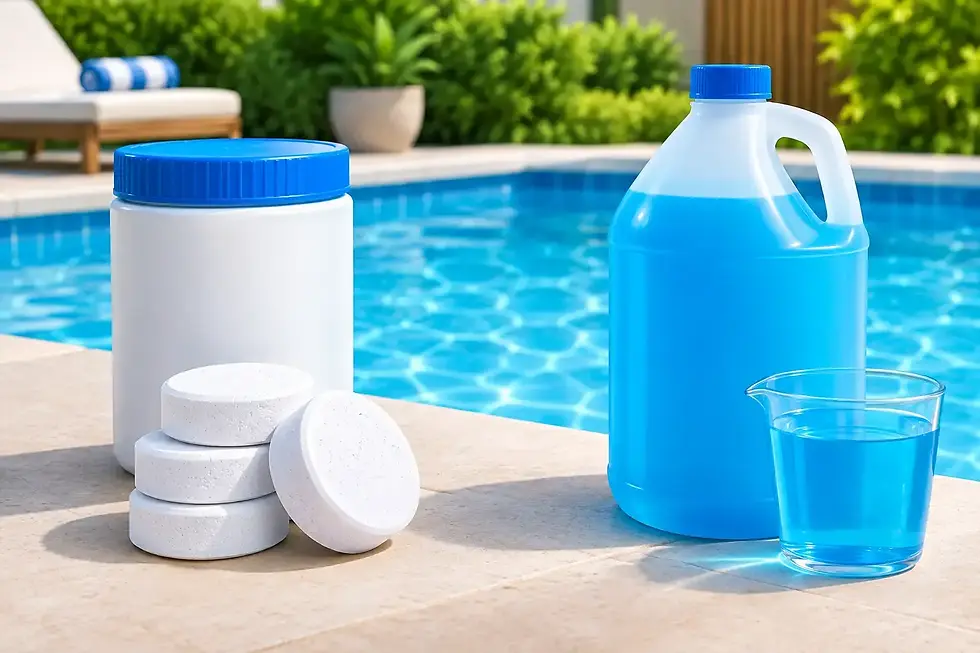
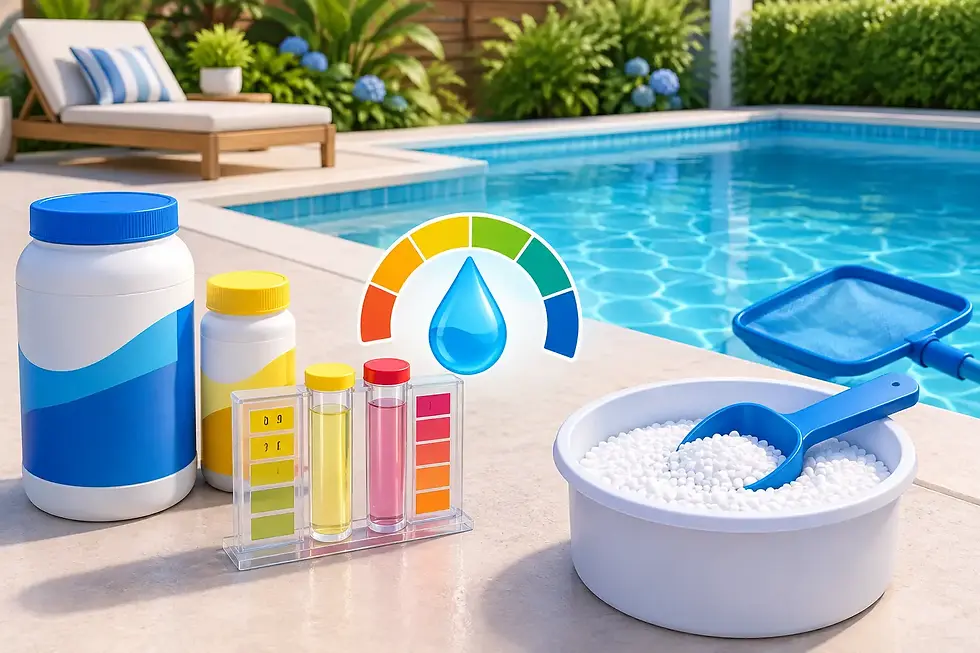
Test the water for sanitizer level, pH, alkalinity, and other readings appropriate for your pool's treatment system. Proper water chemistry protects swimmers from irritation and helps prevent algae growth, staining, scaling, and damage to equipment. The right target levels depend on whether you use chlorine, saltwater chlorine generation, or another system, so follow your equipment and chemical guidance rather than guessing.
Pay attention to how the water looks and feels between test results. Strong chemical odors, burning eyes, persistent foam, green tinting, or cloudy water can signal an imbalance or a circulation problem. A strong chlorine smell often means the water needs attention, not that it has too much usable chlorine.
For busy homeowners, recurring professional maintenance is often the easiest way to keep water safety from becoming a weekend project. Regular testing, chemical adjustment, skimming, vacuuming, and filter care give developing problems less time to grow.
Examine Drains, Covers, and Suction Safety
Drain safety deserves careful attention. Inspect the main drain cover, skimmer covers, and any suction fittings for cracks, missing screws, loose edges, or damage. A damaged or missing drain cover can create a serious entrapment hazard. Do not let anyone swim until the cover is properly replaced.
Never substitute a generic grate or attempt a makeshift repair. Drain covers must be compatible with the specific sump and circulation system. If you do not know the age, condition, or compliance status of your drain covers, have a pool professional assess them. This is one area where the correct part and installation matter far more than a quick fix.
Also look for unusual suction at the skimmers or drains, air bubbles returning through jets, or a pump that sounds strained. These signs may point to a circulation, plumbing, or valve issue that needs service.
Review Pumps, Filters, Heaters, and Plumbing
Your pool equipment should operate without unusual noises, leaks, overheating, or repeated loss of prime. During your inspection, look around the pump, filter, heater, chlorinator, and visible plumbing connections. Water on the equipment pad is not always a minor issue. Even a slow leak can lead to air entering the system, declining circulation, higher water bills, or equipment damage.
Check the filter pressure against the normal operating range for your system. Higher-than-usual pressure often means the filter needs cleaning, while low pressure can indicate a suction-side blockage, leak, or pump concern. Cartridge filters, sand filters, and DE filters each need different care, so maintenance intervals should reflect your equipment type and pool use.
If you have a pool heater, confirm that its vents are clear and that it starts and cycles properly. Keep leaves, mulch, storage items, and patio furniture away from equipment. Clear access allows technicians to inspect and repair components safely, and it reduces the risk of heat or ventilation problems.
Do Not Overlook Electrical Safety
Pool equipment combines water and electricity, which is why electrical concerns should never be treated casually. Check that pool lights, switches, timers, and control panels work as expected. Look for damaged cords, cracked conduit, loose fixtures, standing water near electrical components, or any tingling sensation in the water.
If a breaker trips repeatedly, a light flickers, or equipment shocks or tingles, stop using the pool and contact a licensed electrician or qualified pool professional immediately. Do not reset a breaker over and over in hopes that the problem disappears. Electrical faults require proper diagnosis.
Ground-fault circuit interrupter protection is particularly important around pool equipment and receptacles. Older pools may need an electrical review to confirm that protection, bonding, and grounding are in suitable condition. This is especially worth considering when buying a home with an existing pool or making upgrades such as adding a heater, automation system, or new lighting.
Make Safety Checks Part of Seasonal Service
A thorough safety review is especially useful at opening and closing, but it should not be limited to those dates. At spring opening, inspect the cover, water level, circulation system, barriers, and drain covers before swimmers return. During the season, make a quick visual check before gatherings or whenever the pool has been unused for several days.
At closing, address repairs while the season is still fresh in your mind. Cracked fittings, failing lights, worn gate hardware, and small plumbing leaks are easier to plan for before next year's first hot weekend. Proper winterization also protects return lines, equipment, and plumbing from freeze damage that can create safety and reliability issues later.
Keep a simple record of service visits, chemical tests, drain-cover replacements, repairs, and equipment changes. That record helps you spot recurring problems and gives service technicians useful history when troubleshooting. It can also be valuable when selling your home or evaluating a major equipment replacement.
A safe pool should feel easy to enjoy. When the barrier works, the water is balanced, the equipment is dependable, and concerns are handled early, you can spend less time managing the pool and more time making good use of it with the people who matter.

Comments