
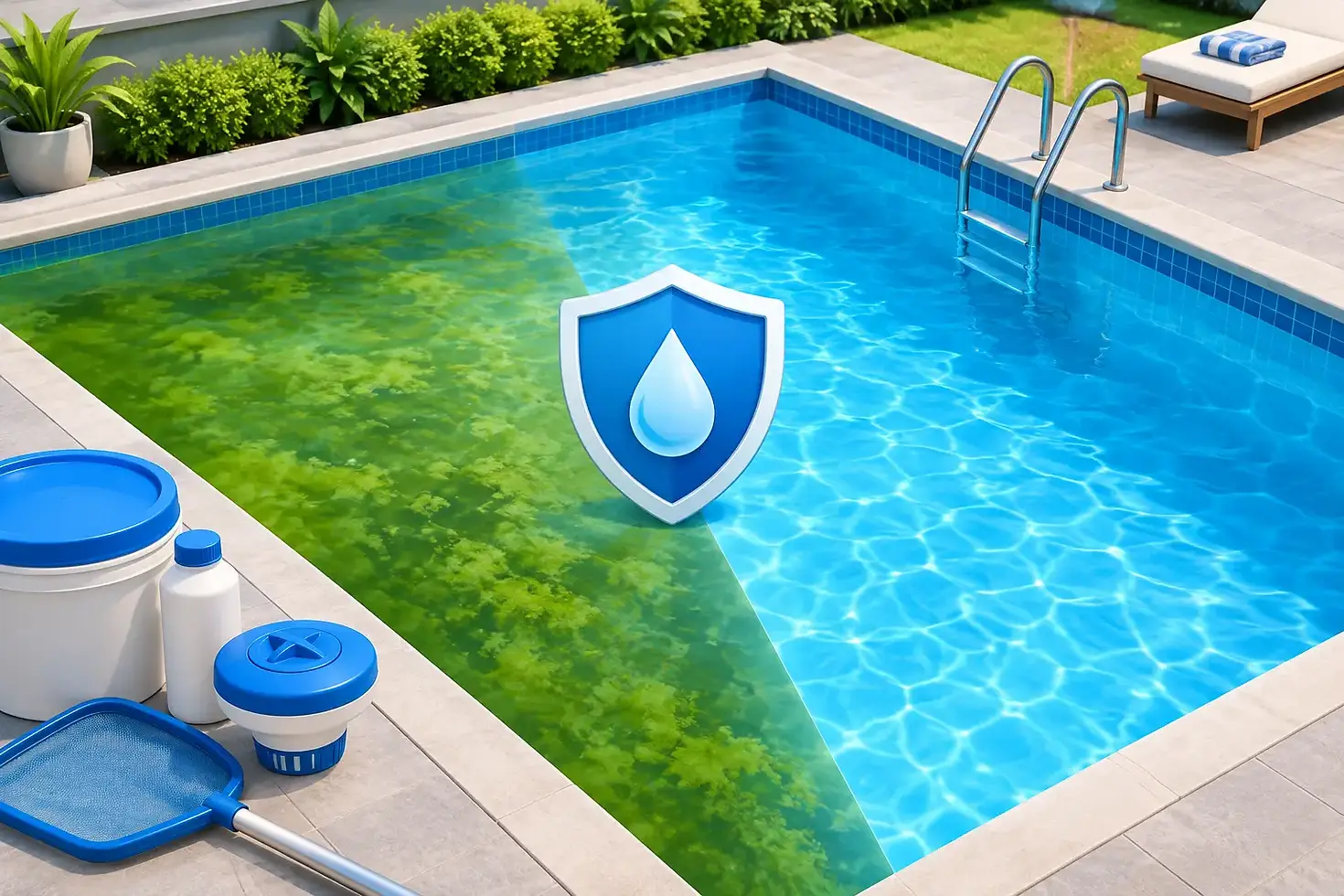
How to Prevent Pool Algae Before It Spreads
A pool can look clear on Friday and show green patches along the steps by Monday, especially after a hot Northern Virginia weekend, a thunderstorm, or a heavy swim day. Knowing how to prevent pool algae comes down to staying ahead of the conditions algae needs: weak sanitizer, poor circulation, debris, and warm water. A consistent care routine protects your investment and keeps the pool ready when your family wants to jump in.
Algae is not simply a cosmetic problem. Once it gains a foothold, it can cloud the water, make surfaces slippery, clog filters, increase chemical demand, and turn a simple maintenance visit into a more involved treatment. Prevention is less disruptive, less costly, and far more enjoyable than recovering a green pool.
How to Prevent Pool Algae With Balanced Water
Chlorine is your primary defense, but effective sanitation is about more than adding chlorine whenever the water starts to look questionable. Your pool needs a consistent sanitizer level that matches its use, water temperature, and stabilizer level. When chlorine falls too low, algae can begin multiplying before the water visibly changes color.
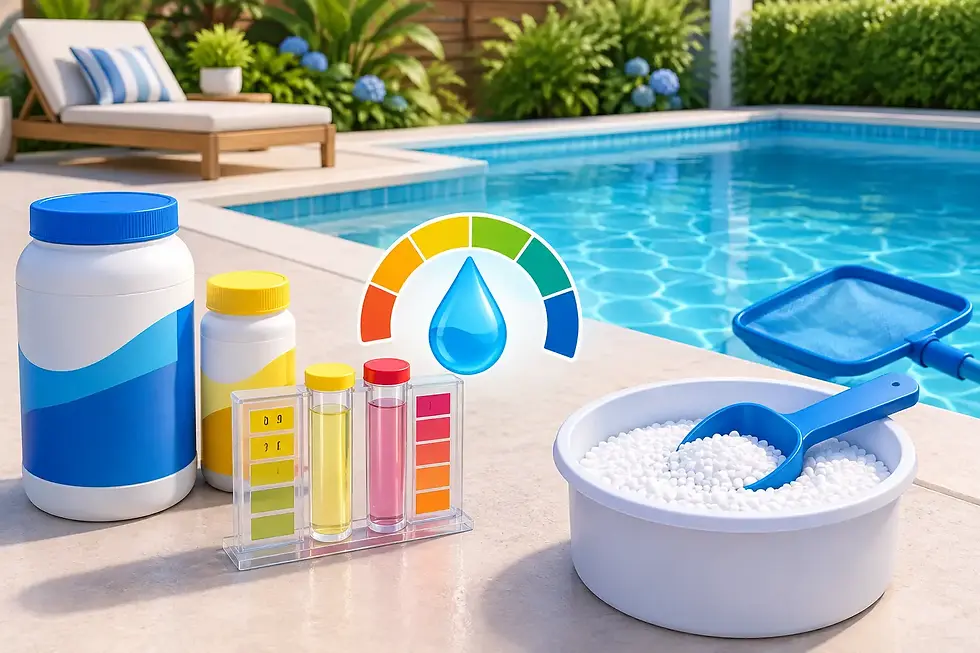
Test the water regularly, particularly during peak swimming season. In the DC, Maryland, and Northern Virginia area, summer heat, afternoon storms, pollen, and frequent pool use can change water chemistry quickly. A weekly test is a sound baseline for many residential pools, but a heavily used pool may need attention more often.
pH and total alkalinity also affect how well chlorine can do its job. If pH drifts too high, chlorine becomes less effective, even when a test strip appears to show an acceptable chlorine reading. If alkalinity is unstable, pH tends to swing, making consistent water care more difficult. Calcium hardness and cyanuric acid, often called stabilizer, matter as well. Too little stabilizer allows sunlight to burn through chlorine rapidly; too much can reduce chlorine’s effectiveness.
The right targets depend on your pool surface, sanitizer system, and equipment. This is one reason professional water analysis is valuable. A certified technician can make measured adjustments rather than relying on guesswork or adding several products at once.
Keep Water Moving Every Day
Algae thrives in still water. Your circulation system should move treated water through the skimmers, pump, filter, and return lines long enough each day to reach all areas of the pool. Dead spots often develop in corners, behind ladders, on tanning ledges, and near steps, where algae may first appear.
For most pools, the pump should run daily during swim season. The appropriate run time depends on pool size, pump speed, plumbing layout, weather, and bather load. Variable-speed pumps can often run longer at a lower speed efficiently, while single-speed systems may require a more deliberate schedule. There is no single run-time setting that fits every pool.
Walk around the pool while the system is operating. Return jets should create visible movement across the surface, and the skimmers should pull in floating debris effectively. Weak return flow, air bubbles in the pump basket, an unusually high filter pressure reading, or poor skimmer action can signal a problem that allows algae to take hold.
A dirty or restricted filter can also limit circulation. Whether your pool uses cartridge, sand, or DE filtration, the filter needs cleaning or backwashing at the appropriate interval. Waiting until the water turns dull places extra strain on the equipment and gives contaminants more time to build up.
Remove the Debris Algae Uses for Food
Leaves, grass clippings, pollen, sunscreen residue, and organic debris consume chlorine as they break down. That leaves less active sanitizer available to control algae. In tree-lined neighborhoods, a pool can collect a surprising amount of organic material in only a few days.
Skim the surface, empty skimmer and pump baskets, and vacuum the pool on a regular schedule. Brushing is equally important. Algae can cling to walls and settle into textured surfaces before it becomes easy to see. Brush the walls, floor, steps, waterline, ladders, and tight corners at least weekly. Pay extra attention after storms or periods of high heat.
A robotic cleaner can reduce routine debris, but it does not replace brushing, water testing, or filter care. It is a helpful tool, not a complete algae-prevention plan. Likewise, an automatic pool cover can reduce debris and evaporation, but the water underneath still needs circulation and balanced chemistry.
Respond Quickly After Heavy Use and Bad Weather
Pool parties and summer storms both change the water. Swimmers introduce oils, lotions, sweat, and other contaminants that use up sanitizer. Rain can dilute chemical levels and wash pollen, soil, and runoff into the pool. High temperatures accelerate algae growth while increasing chlorine consumption.
After a busy weekend, check sanitizer and pH rather than waiting for the next scheduled service day. Remove debris promptly and make sure the pump is running as intended. If the water looks hazy, feels slick, or develops a green, yellow, or black discoloration, act early. Waiting for visible algae to spread usually means more brushing, more chemical treatment, and more time before the pool is comfortably usable.
Algaecide can be appropriate as a supplemental preventive product in certain situations, such as prolonged heat, frequent storms, or a pool with a recurring algae history. It should not be used as a substitute for proper chlorine, circulation, and cleaning. The wrong product or dosage can create foam, staining, or other unwanted water issues.
Watch the Equipment That Supports Clean Water
Reliable equipment is part of algae prevention. A failing pump, clogged impeller, worn filter grid, leaking line, malfunctioning timer, or improperly positioned valve can quietly reduce circulation long before the pool turns green. Saltwater pools need attention, too. Their salt cells create chlorine, but they still require balanced water, cleaning, and periodic inspection.
Check that the pump is priming correctly and that the timer or automation schedule matches the season. Inspect baskets for cracks and confirm that the water level is high enough for the skimmer to work properly. Water that falls below the skimmer opening reduces debris removal and can cause the pump to draw air.
Heating systems deserve attention as well. Warm water is inviting for swimmers, but it also creates favorable conditions for algae. When a pool heater is operating, regular testing and adequate circulation become even more important.
Do Not Let Small Warning Signs Become a Green Pool
Algae does not always begin as bright green water. A faint haze, a slippery step, dust-like material that returns after vacuuming, or stubborn discoloration near the waterline may be an early sign. Yellow or mustard algae can appear in shaded areas, while black algae can establish itself in cracks or porous surfaces and may require more specialized treatment.
If algae is beginning to form, brushing and correcting the underlying chemistry are essential. Simply adding a treatment product without addressing filtration, circulation, or sanitizer demand often leads to a repeat problem. In some cases, the filter must be cleaned during treatment because it is collecting dead algae and debris.
For homeowners who would rather spend weekends enjoying the pool than diagnosing chemistry and equipment, scheduled service provides a practical safeguard. Tortuga Pool Services can monitor water balance, inspect key components, clean the pool, and catch developing issues before they interrupt family time.
A clean, clear pool is built through regular attention, not last-minute rescue treatments. Keep the water balanced, keep it moving, remove what falls in, and treat any change in appearance as a reason to check the system. That steady approach gives your family a safer, more inviting place to enjoy all season long.

Comments